October 7, 2026
Replacing missing teeth has changed dramatically as dentistry has advanced. What once involved removable solutions or extensive restorative work can now involve sophisticated treatments designed to function and look much more like natural teeth. These developments have transformed how dentists approach tooth replacement and how patients experience restorative care.
The evolution of dental implants reflects decades of research, technological improvements, and changes in dental treatment. From early concepts of artificial tooth replacement to modern implant systems, each advancement has helped make tooth restoration more predictable, comfortable, and functional.
Understanding Early Tooth Replacement
The idea of replacing missing teeth is not new. Throughout history, people have experimented with different materials and methods to restore the appearance and function of lost teeth. Early approaches were often limited by the materials and techniques available at the time, making long-term stability difficult to achieve.
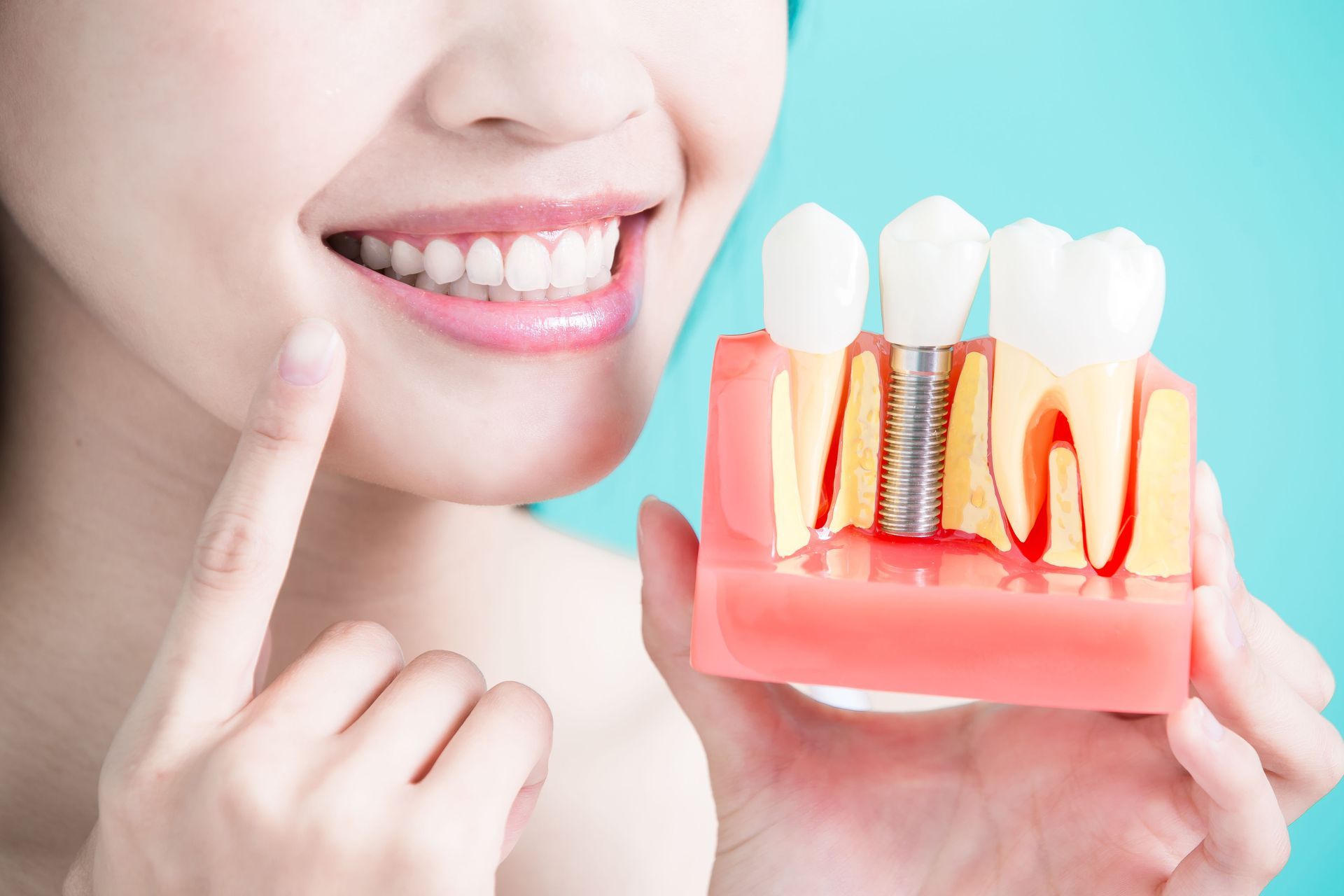
Modern implant dentistry developed from the discovery that certain materials could integrate with the surrounding bone. This biological connection became an important foundation for contemporary tooth replacement. Instead of simply resting on the gums, an implant can provide a stable foundation within the jaw for a restoration.
As research continued, dental professionals gained a better understanding of how bone responds to implant materials. These discoveries helped establish principles that remain central to implant treatment today, including careful placement, appropriate healing, and proper restoration design.
Early tooth-replacement methods also helped dentists recognize the importance of restoring more than the visible portion of a missing tooth. A replacement needs to interact with surrounding structures while providing appropriate support. This broader understanding eventually contributed to treatment approaches that address both appearance and oral function.
Exploring The Rise of Modern Implants
The development of osseointegration represented a major turning point in implant dentistry. This process describes the connection that develops between an implant and the surrounding bone. Once researchers understood its potential, implants became increasingly practical as a foundation for replacing missing teeth.
According to the American Academy of Implant Dentistry, modern dental implants have been used successfully for more than 30 years. This long history of clinical use has allowed dental professionals to refine implant materials, placement techniques, restoration methods, and treatment planning.
The growing use of dental implants also encouraged continued research into how implants interact with oral tissues. Improvements in surface design and implant geometry have contributed to greater understanding of how to support successful integration and long-term function.
As implant treatment became more established, dentists were able to develop more individualized approaches. Rather than relying on one standard method for every patient, treatment could account for the location of the missing tooth, the condition of the jaw, and the desired restoration. This shift toward personalized planning remains an important part of contemporary implant care.
Improving Implant Materials and Design
Materials have played an important role in the development of implant dentistry. Titanium became widely used because of its compatibility with the body and its ability to integrate with bone. Its strength also makes it well suited to serving as a foundation for a dental restoration.
Implant designs have also become increasingly sophisticated. Manufacturers have refined shapes, surfaces, threads, and connection systems to support different clinical needs. These changes allow dentists to consider factors such as bone characteristics, available space, and the location of a missing tooth when developing treatment plans.
Today, dental implants can be incorporated into treatment plans for a variety of tooth-replacement situations. Depending on a patient's needs, an implant may support an individual crown, a bridge, or a removable restoration. The goal is to create a stable foundation while maintaining a natural-looking result.
Restorative materials have evolved alongside implant components. Crowns and other restorations can be designed to complement the color, shape, and proportions of surrounding teeth. This allows the visible portion of a replacement tooth to be considered as part of the entire smile rather than as an isolated restoration.
The connection between the implant and restoration has also received significant attention. Secure connections can help coordinate the supporting component with the visible restoration. Careful design allows dental professionals to consider how forces from chewing may affect the completed treatment.
Advancing Digital Treatment Planning
Technology has changed the way implant procedures are planned. Digital imaging can provide dentists with detailed information about the jaw, surrounding structures, and available bone. This information can help clinicians evaluate the proposed implant location before treatment begins.
Computer-based planning can also make communication more precise. Dentists can use digital information to assess implant positioning and determine how the planned restoration should interact with the surrounding teeth and tissues. This helps connect the surgical and restorative portions of treatment.
In some cases, digital workflows can also support guided implant placement. These techniques use detailed treatment plans to help guide the positioning of an implant. Greater precision during planning can contribute to a more coordinated approach to care.
Digital technology can also help patients better understand their proposed treatment. Visual representations of the teeth and jaw may make it easier to discuss the intended position of a restoration and the overall goals of care. Clear communication can help patients participate more confidently in treatment discussions.
Another benefit of modern planning is the ability to identify potential challenges before treatment begins. Imaging can give the dental team an opportunity to evaluate relevant anatomical structures and determine whether additional procedures may be appropriate. This preparation supports a more organized treatment process.
Enhancing Patient Comfort and Results
Advancements in implant dentistry have focused not only on the implant itself but also on the overall patient experience. Modern treatment planning allows dental professionals to consider comfort, appearance, function, healing, and long-term maintenance as interconnected parts of treatment.
The restoration placed on an implant has also become increasingly important. A successful tooth replacement should not simply fill a space. It should be designed to complement the patient's smile, bite, and surrounding teeth. Improvements in restorative materials have expanded the options available for creating lifelike results.
For patients considering dental implants, individualized planning is essential. Factors such as oral health, bone structure, existing restorations, and personal treatment goals can all influence the recommended approach. A thorough evaluation gives the dental team an opportunity to identify these considerations before treatment begins.
Maintenance is another important part of the long-term experience. Even though an implant-supported restoration is designed to replace a missing tooth, it still requires appropriate oral hygiene and professional dental care. Regular examinations can help the dental team monitor the restoration and surrounding tissues over time.
Patient education has therefore become an increasingly important part of implant treatment. Understanding how to care for the completed restoration can help patients protect their investment and maintain their overall oral health. Discussing brushing, flossing, professional cleanings, and other care recommendations with a dental professional can provide useful guidance tailored to the individual.
Looking Toward the Future of Implants
The evolution of implant dentistry continues as researchers and dental professionals explore new technologies and techniques. Digital workflows, advanced imaging, improved materials, and increasingly personalized treatment planning are all contributing to ongoing changes in how missing teeth are restored.
Future developments may continue to focus on making treatment more predictable while improving the experience for patients. Research into implant surfaces, biological healing, restorative materials, and digital planning may provide additional opportunities for refining care.
What remains consistent is the purpose behind these advancements: helping patients restore function and confidence after tooth loss. As dentistry continues to develop, implant treatment can become increasingly tailored to the individual needs of each patient.
For someone researching tooth replacement today, understanding this history can provide useful perspective. The treatments available now are the result of continued research and refinement rather than a single technological breakthrough.
Missing teeth can affect much more than appearance, and modern restorative dentistry provides options for addressing both function and aesthetics. If you are considering tooth replacement, talk with the team at Aesthetic Smiles Family & Cosmetic Dentistry to explore whether implant treatment could fit your needs