August 7, 2026
A healthy, straight smile does more than just boost self-confidence. It plays a significant role in overall oral health, speech clarity, and efficient chewing. When teeth are misaligned or overcrowded, cleaning them effectively becomes difficult, which increases the risk of tooth decay and gum disease. Malocclusion, or an improper bite, can also cause uneven wear on protective enamel, joint discomfort, and chronic jaw pain. Understanding how professional care addresses these underlying structural issues helps individuals make informed decisions about their long-term dental health journeys.
Achieving a balanced bite requires specialized expertise beyond general dental care. Dental specialists known as orthodontists focus specifically on diagnosing, preventing, and correcting complex facial and dental irregularities. Through targeted techniques, advanced diagnostic technology, and custom appliances, these specialists guide teeth and jaw structures into proper alignment over time. The realignment process is a careful blend of biological science and precise structural engineering. Here's a detailed look at how these specialists transform misaligned teeth into functional, beautiful smiles.
Assessing Dental Structures With Diagnostic Tools
The journey toward a straightened smile always begins with an extensive clinical evaluation. During the initial consultation, thorough physical examinations allow practitioners to inspect the teeth, gums, and overall jaw relationship. Visual checks provide immediate insight into visible crowding, spacing issues, and noticeable bite discrepancies. However, visible details only reveal a small portion of the underlying oral structure. To gain a complete understanding of what is happening beneath the gum line, comprehensive imaging is necessary before any mechanical movement begins.
Digital X-rays, panoramic images, and three-dimensional cone-beam computed tomography scans offer highly detailed views of tooth roots, bone density, and underlying jaw bone structures. When examining diagnostic scans, orthodontists look for hidden structural issues, such as impacted teeth, jaw asymmetry, or root absorption risks. Additionally, digital intraoral scanners create precise three-dimensional models of a patient's mouth without the mess of traditional putty impressions. These digital models allow practitioners to examine the bite from every angle and plan movements accurately.
Once diagnostic data is collected, specialized computer software helps simulate the step-by-step movement of teeth throughout treatment. This predictive modeling ensures that proposed shifts remain within safe anatomical boundaries for the surrounding bone tissue. By evaluating how bone structures will respond to mechanical pressure, practitioners avoid potential complications and design an efficient path forward. Accurate diagnostics lay the essential foundation for every successful alignment plan, ensuring that patient safety and structural stability remain top priorities from day one.
Developing Personalized Treatment Plans for Patients
With over 34,209 practicing orthodontists in the U.S., according to Poidata, patients have access to diverse clinical expertise and tailored treatment options across the nation. Every dental architecture is unique, meaning that a one-size-fits-all approach doesn't work for tooth alignment. After reviewing diagnostic images, practitioners construct a personalized plan that addresses specific alignment goals, age considerations, and lifestyle needs. This plan outlines which appliances will work effectively and estimates the total length of treatment required for success.
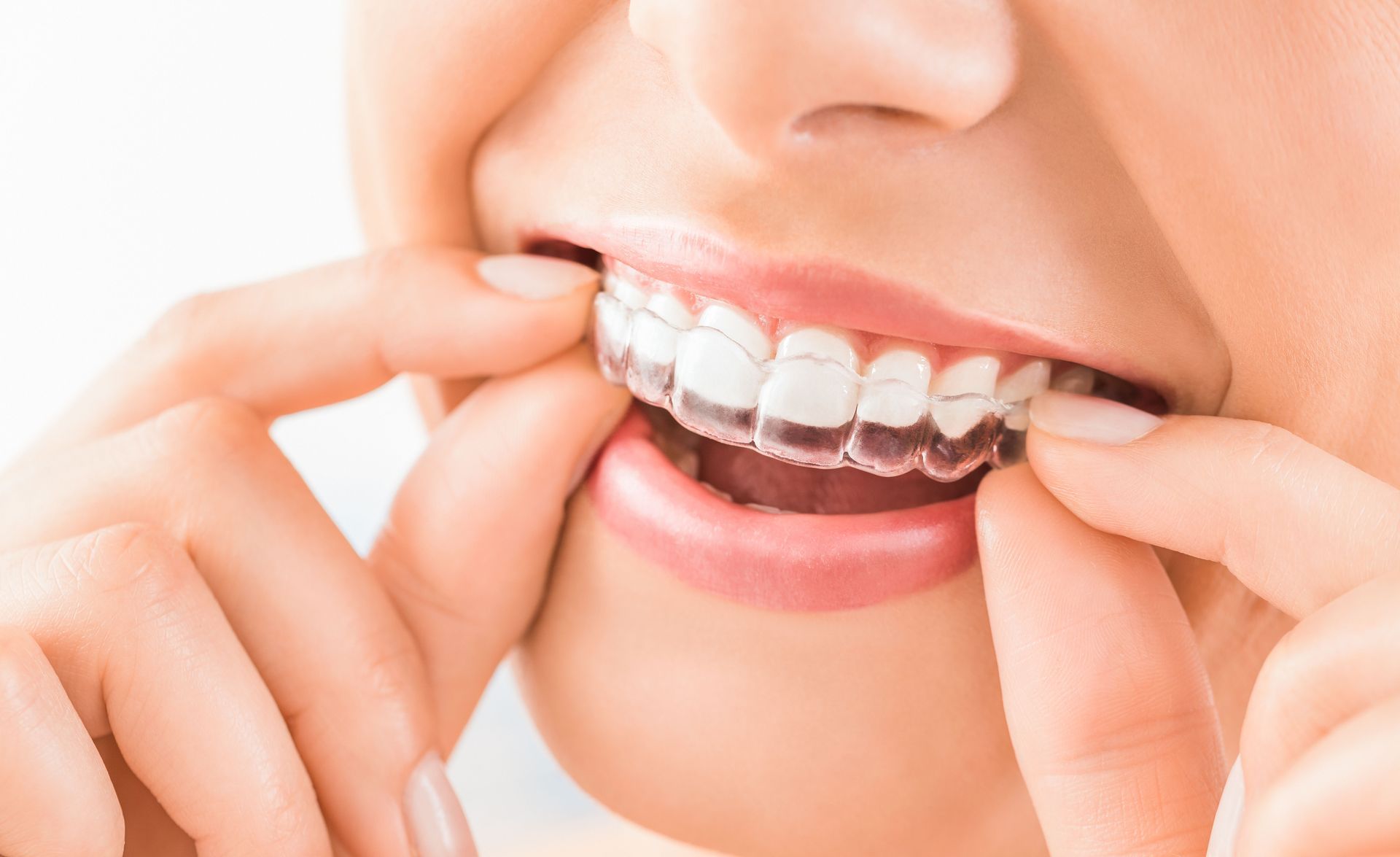
Treatment options vary depending on the severity of misalignment and individual preferences. Traditional metal braces remain a reliable choice for complex cases involving severe crowding, rotated teeth, or significant jaw repositioning. Ceramic braces offer a similar mechanical approach but feature clear brackets that blend in with natural teeth. For individuals seeking a subtle option, clear aligner systems provide removable, transparent trays that gradually push teeth into alignment without fixed wires or metal brackets attached to the tooth surface.
Customization extends beyond selecting the basic appliance type. The overall plan also specifies exact timing for adjustments, elastic band configurations to correct bite alignment, and potential auxiliary devices. For instance, some individuals may require palatal expanders to widen a narrow upper jaw before moving individual teeth. By carefully mapping out each phase of mechanical progression, practitioners ensure that tooth movement occurs at a safe, predictable rate that protects tooth roots and surrounding supporting structures throughout active care.
Applying Constant Pressure With Alignment Devices
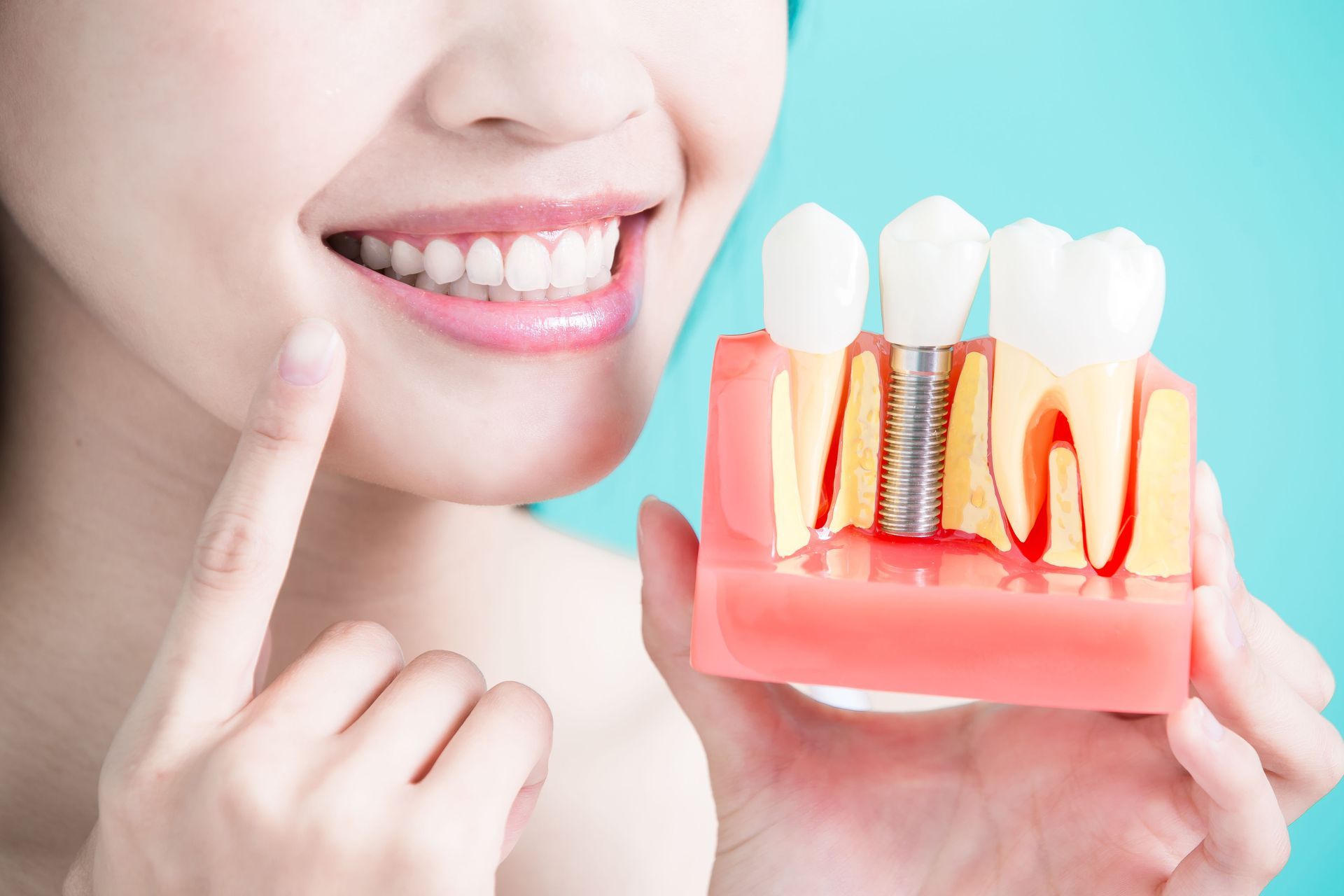
Tooth movement relies on a natural biological process known as bone remodeling. When appliances apply continuous, gentle pressure to a tooth, that physical force transfers down to the periodontal ligament surrounding the root. On the side receiving pressure, bone tissue gradually breaks down to make room for the tooth to shift. On the opposite side, new bone tissue forms to fill the space left behind. This dynamic biological reaction allows teeth to move safely through solid bone over time.
Fixed appliances like traditional braces utilize brackets bonded to each individual tooth, connected by a flexible archwire. The archwire continuously attempts to return to its original shape, exerting steady pressure that guides teeth along a designated path. Periodic clinical appointments allow practitioners to adjust or replace wires, gradually increasing or changing force directions as alignment progresses. Auxiliary components, such as rubber bands, help align upper and lower arches so the jaw closes properly during normal chewing.
Clear aligners work on similar principles of controlled force, though through a series of custom plastic trays. Each set of aligners is engineered to move specific teeth by micro-increments over a period of one to two weeks before switching to the next tray set. Regardless of whether fixed or removable systems are selected, regular monitoring by orthodontists ensures that force levels remain within safe biological limits to avoid damaging tooth structures or root systems.
Preserving Final Position Through Long-Term Care
Reaching the final day of active treatment is an exciting milestone, but alignment care doesn't end when braces or aligners come off. Teeth possess a natural memory and tend to drift back toward their original positions, a process known as relapse. Surrounding bone, ligaments, and gums need adequate time to stabilize and firm up around the newly aligned positions. Without active maintenance during this transitional phase, hard-earned results can reverse relatively quickly over time.
To prevent relapse, orthodontists prescribe custom retainers that hold teeth securely in place while surrounding bone fully matures. Retainers come in fixed and removable varieties depending on individual patient needs and clinical goals. Fixed retainers consist of a thin wire bonded to the backside of front teeth, offering permanent, discreet support. Removable retainers, such as clear plastic trays or Hawley retainers made of acrylic and wire, are typically worn full-time initially before shifting to nighttime wear.
Long-term retention requires ongoing patient commitment and occasional professional evaluations. Wearing retainers as directed ensures that the newly created bite remains functional and aesthetically pleasing for decades. Over time, natural aging processes can still cause minor shifts in teeth, making periodic retainer checks necessary. Consistent post-treatment care protects the initial health investment and guarantees that structural alignment stays solid through every stage of adulthood, maintaining a healthy smile forever.
Improving smile alignment is a comprehensive medical process that combines precise diagnostic technology, customized planning, controlled mechanical force, and diligent retention care. Throughout the entire alignment process, orthodontists guide complex structural shifts to ensure teeth function smoothly while looking balanced. Correcting misaligned teeth eliminates hard-to-clean spaces, reduces improper wear on enamel, and relieves unnecessary pressure on jaw joints, delivering life-changing health benefits that go far beyond basic cosmetic improvements.
Investing in proper alignment creates a strong foundation for lifelong oral health and personal confidence. With modern advances in diagnostic tools and subtle treatment appliances, achieving a straight smile isn't just possible; it's more efficient and comfortable than ever before. Working closely with dedicated practitioners guarantees that every step of the realignment process is carefully monitored for safe, lasting results.
Contact Aesthetic Smiles Family & Cosmetic Dentistry today to schedule your consultation with our skilled orthodontists and take the first step toward a healthier, perfectly aligned smile.