August 31, 2026
Restoring lost teeth is a pivotal step toward recovering complete oral health, overall functionality, and personal confidence. Gaps in a smile cause more than just aesthetic concerns; they lead to long-term structural shifts in the jaw and surrounding facial muscles. While traditional options like removable dentures or tooth-supported bridges have long served as standard fixes, modern restorative dentistry provides far more permanent and supportive solutions. Choosing a full restoration method with a professional dental implant allows individuals to speak, chew, and smile with absolute clarity and comfort once again.
Understanding the full scope of restorative treatments requires looking into the anatomical impact of tooth loss. When a root disappears, the jawbone beneath it begins a gradual degradation process, which can drastically alter facial contours over time. Modern treatment techniques directly address this underlying biological shift, offering structural stability that preserves both tissue and bone density.
Navigating the Basics of Restorative Foundations
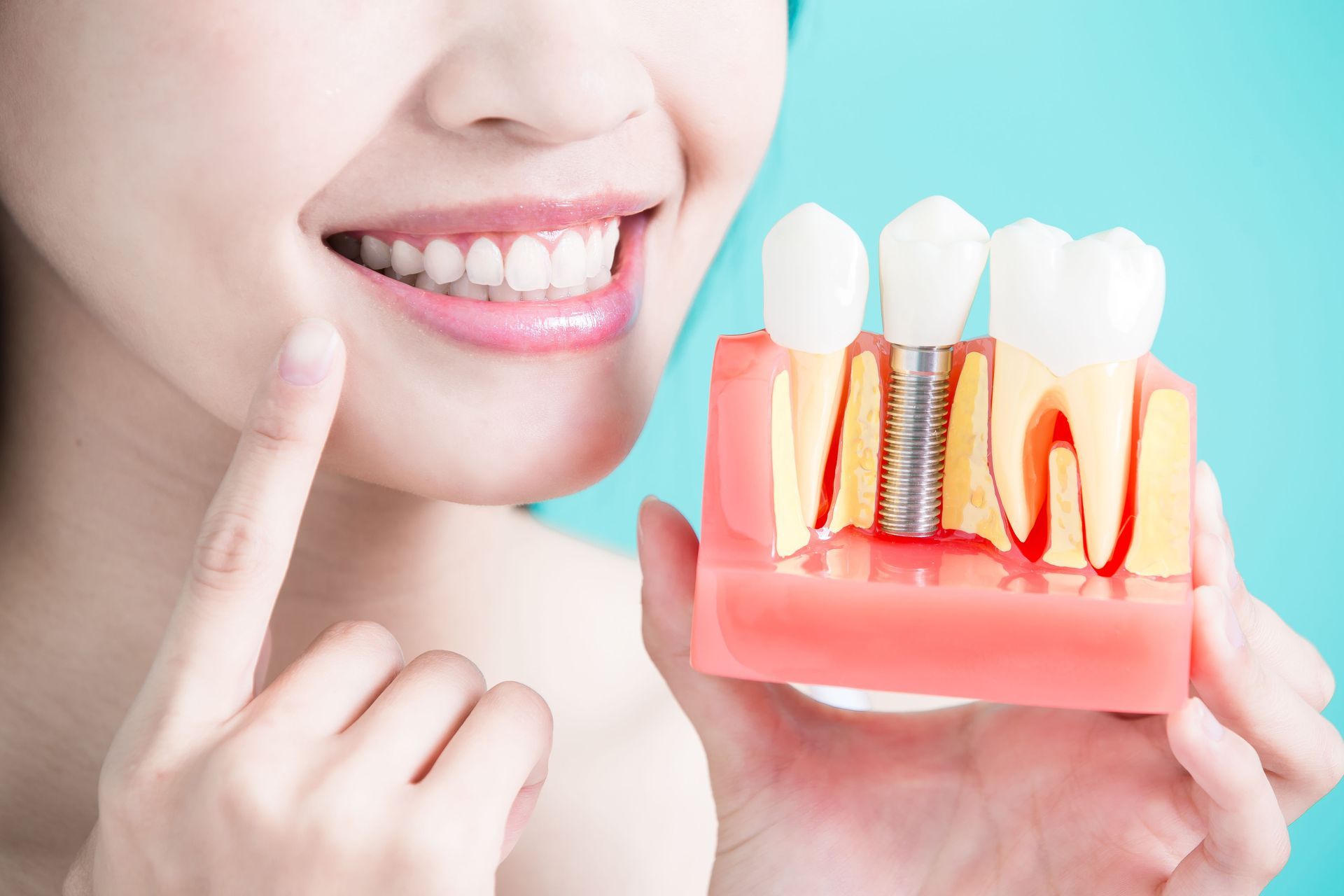
Understanding the structural foundation of tooth replacement requires examining how synthetic posts integrate into the jaw matrix. Synthetic anchors are strategically positioned directly into the bone tissue underneath the gums to act as artificial roots. Once these posts are secured, they empower oral surgeons to mount permanent crowns, custom bridges, or full arch prosthetics directly onto them. These biological alternatives mirror natural anatomy so closely that they create a remarkably stable system for daily biting and chewing.
Component design involves three key elements working in total harmony: the anchor post, the connector abutment, and the visible crown. The anchor serves as the root system that actively integrates with surrounding bone. The abutment attaches directly to this base, rising slightly above the gum line to provide a sturdy bridge to the visible tooth restoration. Finally, custom-crafted crowns are attached to complete the visual and functional unit. This combined engineering ensures optimal load distribution across the jaw during heavy chewing.
Evaluating Primary Structural Types
Exploring various anchoring styles helps determine which structural setup matches an individual's unique biological needs. Endosteal designs are the most widespread variety, placed surgically into the jaw tissue to act as individual roots. Conversely, subperiosteal anchors sit on top of the bone structure beneath the mucosal tissue layer, offering an alternative for patients who lack adequate bone depth. Selecting between these configurations relies heavily on digital imaging, bone volume analysis, and overall health status.
There are around 12,000 orthodontist offices in the United States as of 2025, according to IBISWorld. These specialized offices, alongside general and restorative dental practices, routinely evaluate candidates to determine whether bone density supports permanent posts. Patients who struggle with slipping dentures or uncomfortable removable bridges frequently transition to permanent anchor systems. Restoring missing teeth through these methods preserves remaining natural structures and prevents neighboring teeth from migrating into open gaps over time.
Examining Surgical Steps and Recovery
Planning a restorative procedure begins with precise digital diagnostics, 3D imaging, and detailed health reviews. Practitioners evaluate bone density, nerve pathways, and sinus locations long before making any surgical incisions. A personalized blueprint is mapped out to address individual patient anatomy, setting explicit expectations for every stage of care. This meticulous preparation minimizes surgical risks while ensuring that placement locations offer optimal strength and alignment for incoming prosthetics.
Surgical installation involves inserting the foundational post directly into targeted jaw sites under local anesthesia. After positioning the hardware, protective sutures cover the surgical area to allow healing and biological integration to begin. It generally takes several months for surrounding bone to fuse completely around the post surface. During this recovery period, keeping the site free of debris and bacteria remains essential for preventing localized inflammation and protecting the underlying structural foundation.
Integrating Anchor Systems with Bone
Fusing metal posts directly with organic jawbone is a process known scientifically as osseointegration. A dental implant relies on this exact biological bonding mechanism to achieve remarkable strength comparable to healthy root systems. Over several months, living bone cells attach directly to the porous post surfaces, locking the entire structural unit firmly into place. This steady integration creates a robust platform capable of handling heavy daily biting forces.
Placing an abutment occurs after successful osseointegration is confirmed by detailed X-rays. A brief minor procedure uncovers the top of the post so the connector piece can be attached securely. Soft tissues then heal around the new abutment, forming a tight seal that keeps out debris. Once the surrounding gums adjust to the connector, digital impressions are taken to craft a permanent, custom-made crown that seamlessly matches adjacent tooth shading.
Reviewing Physical and Functional Advantages
Improving overall facial aesthetics is one of the most visible outcomes of structural tooth restoration. Gaps left by missing teeth frequently cause cheek hollows and a premature aged appearance due to natural bone resorption. By providing internal support to facial muscles, permanent restorations help maintain natural contours and prevent facial collapsing. Furthermore, these custom restorations blend so cleanly with natural dentition that they remain visually indistinguishable from original teeth.
Enhancing daily bite strength and speech clarity transforms quality of life for individuals who previously relied on loose prosthetics. Anchored restorations eliminate the uncomfortable slipping, clicking, and clicking sounds associated with traditional removable dentures. Patients can enjoy a diverse diet rich in solid, nutrient-dense foods without worrying about appliance displacement. This newfound stability directly supports better digestion and long-term nutritional health.
Addressing Structural Care and Maintenance
Establishing an exceptional daily hygiene routine is essential for sustaining long-term restoration stability. Thorough brushing and specialized flossing around anchor foundations eliminate soft bacterial biofilms that can trigger gum inflammation. A dental implant requires consistent cleaning using non-abrasive tools to avoid scratching sensitive abutment surfaces. Diligent daily care prevents peri-implant diseases, ensuring the surrounding soft tissues stay tight, clean, and free from infection.
Scheduling regular professional check-ups allows practitioners to evaluate underlying bone levels, monitor gum health, and perform deep cleanings around abutments. Utilizing specialized instruments, hygienists clear away stubborn calcified deposits from hard-to-reach hardware zones. Additionally, avoiding detrimental habits like smoking, chewing hard ice, or grinding teeth prevents excess stress on hardware. Maintaining a balanced diet full of essential vitamins reinforces bone density and keeps the surrounding tissue system strong.
Calculating Costs and Financial Plans
Investigating financial investment details requires looking at several factors, including hardware choices, practitioner skill, and necessary preparatory treatments. Specialized steps like sinus elevations or bone augmentation naturally add to total treatment costs. While initial expenses may exceed those of simple removable appliances, the overall lifespan of anchored posts makes them exceptionally cost-effective over time. Evaluating long-term value helps patients see beyond upfront costs when planning their oral health budgets.
Navigating insurance coverage and flexible payment schedules enables more individuals to access permanent restoration care. Many practices provide low-interest monthly payment arrangements or savings programs designed to ease immediate out-of-pocket demands. A dental implant may be classified as an elective procedure by basic insurance policies, but secondary benefits often cover portions of diagnostic imaging, consultations, or final crown restorations. Exploring these structured financial choices helps make high-quality care manageable.
Transforming Smiles with Long-Term Results
Securing long-term stability and function makes permanent structural restoration a powerful choice for replacing lost teeth. Investing in robust, biologically integrated anchor systems helps avoid the repetitive repair, adjustment, and replacement cycles common with traditional appliances. Beyond structural preservation, restoring full bite capacity revives personal self-assurance, allowing individuals to speak, eat, and laugh freely without second-guessing their smile.
Choosing to restore missing teeth through modern techniques represents a lasting investment in your functional mobility and self-confidence. If you are ready to explore your restoration options, contact Aesthetic Smiles Family & Cosmetic Dentistry to schedule your comprehensive consultation today. Their experienced team will evaluate your unique oral health profile, answer your questions, and design a customized treatment plan around a
dental implant to give you the healthy, radiant smile you deserve.