May 8, 2026
Orthodontic care is crucial not only for enhancing one's smile but also for improving overall oral health. Regular appointments with your orthodontist help to ensure effective and efficient treatment progress. In this article, we will explore several services that should be considered during your orthodontist visits to ensure you are getting comprehensive care. Addressing various aspects from initial assessments to post-treatment care ensures that all elements of your dental health are accounted for. By understanding these services, patients can work closely with their orthodontists to achieve optimal results.
1. Initial Assessment and Diagnosis
a. Comprehensive Oral Examination
The first step in orthodontic care is a comprehensive oral examination by your orthodontist. This assessment allows the orthodontist to understand the current state of your oral health, including identifying any immediate concerns such as cavities or gum disease. During the examination, each tooth is checked for issues that could interfere with orthodontic treatment. This thorough inspection lays the groundwork for a tailored treatment plan. The examination is crucial, as it ensures that any underlying problems are addressed before orthodontic appliances are applied.
b. Dental X-rays and Imaging
Dental X-rays and imaging are integral parts of an initial orthodontic assessment. These tools provide detailed images of the teeth, roots, jaw alignment, and bone structure. X-rays help identify impacted teeth, missing teeth, bone irregularities, and any other abnormalities that are not visible in a regular oral examination. Advanced imaging techniques, such as 3D scans, may also be utilized to achieve greater accuracy in diagnosis. Accurate imaging is essential for developing a precise and effective treatment plan tailored to the patient's needs.
c. Bite and Jaw Alignment Evaluation
Bite and jaw alignment evaluation involves analyzing how your upper and lower teeth fit together. Malocclusion, a misalignment of the bite, is a common issue addressed by orthodontists. This evaluation helps the orthodontist determine the extent of correction needed, whether it's an overbite, underbite, or crossbite. Proper alignment is crucial, not only for aesthetic reasons but also to prevent issues like temporomandibular joint disorders. Identifying these issues early allows the orthodontist to incorporate corrective measures into the treatment plan.
d. Medical and Dental History Review
A comprehensive review of the patient’s medical and dental history is necessary for a successful orthodontic intervention. Understanding past dental issues, treatments, and any systemic health problems helps tailor the orthodontic care plan. Health conditions such as diabetes or autoimmune diseases can significantly impact treatment strategies and outcome expectations. This review also provides an opportunity for patients to share their concerns and previous experiences, ensuring they are considered in the planning process. The history review is a collaborative effort aimed at formulating a safe and effective treatment plan.
e. Discussion of Treatment Goals and Expectations
This step involves an open discussion between the patient and orthodontist about treatment objectives and expectations. Clear communication ensures that both parties agree on the desired outcome and the steps needed to achieve it. Patients are encouraged to voice concerns and ask questions during this stage. Understanding the patient’s expectations helps the orthodontist explain the realistic outcomes based on the initial assessment. This collaborative approach fosters a strong patient-provider relationship and sets a positive tone for the treatment journey.
2. Custom Treatment Planning
a. Types of Braces and Aligners
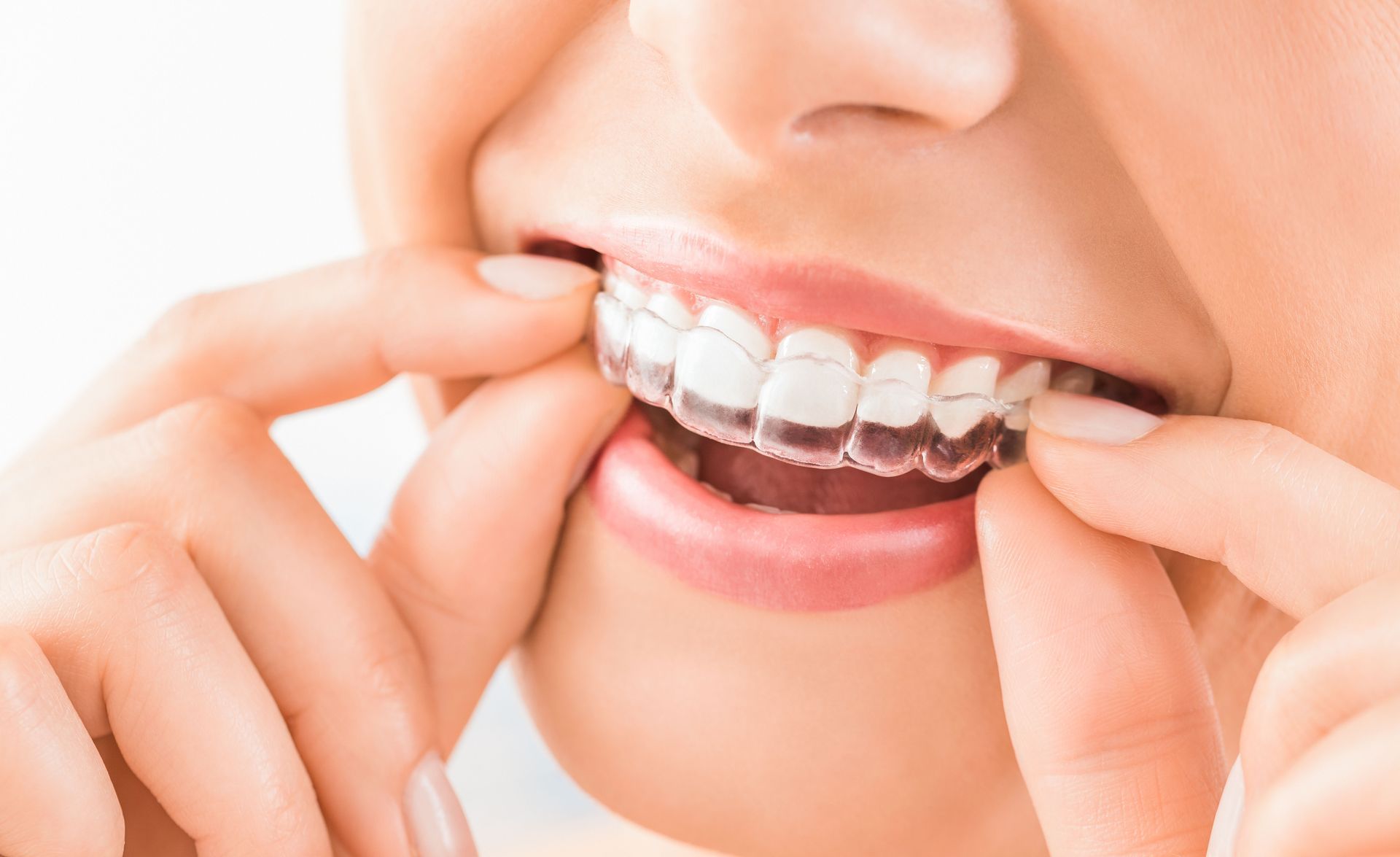
Custom treatment planning includes selecting the appropriate type of braces or aligners. Options range from traditional metal braces to clear aligners like Invisalign, ceramic braces, and lingual braces. Each type has benefits and limitations that the orthodontist will discuss based on the patient’s specific needs and lifestyle requirements. Clear aligners, for example, may be more suitable for adults seeking a less noticeable option. The choice affects both the aesthetics and functionality of the orthodontic treatment, making informed decisions critical.
b. Duration and Timeline of Treatment
Understanding the duration and timeline of treatment is an essential component of the orthodontic care plan. Most treatment plans range from several months to a few years, depending on the complexity of the correction needed. The orthodontist will provide a timeline that includes regular check-ins and adjustments to track progress. According to the AAO, the average number of active patients per orthodontist rose to 696, indicating the increased capacity and efficiency in managing these treatment timelines. Clear communication about the timeline helps manage patient expectations and prepare them for the commitment involved.
c. Cost Estimates and Financial Planning
The financial aspect of orthodontic care is often a significant consideration for patients. Orthodontists provide cost estimates based on the treatment plan and discuss various payment options. Many clinics offer financing plans or work with insurance companies to make care more accessible. Transparent discussions about costs prevent future discrepancies and provide patients with peace of mind. By understanding the financial commitment, patients can make informed decisions about their orthodontic needs and budget accordingly.
d. Understanding the Stages of Treatment
Orthodontic treatment is divided into several stages, each with its specific goals and milestones. Initially, the focus may be on expanding jaws or aligning teeth, followed by fine-tuning bite and details. Understanding these stages helps patients track their progress and understand the purpose behind each adjustment. The orthodontist will provide updates on milestones, allowing patients to feel involved and informed throughout the process. Knowledge of the treatment stages alleviates anxiety and promotes cooperation during treatment.
e. Addressing Patient Concerns and Questions
Addressing patient concerns and questions is a fundamental aspect of orthodontic care. Patients should feel comfortable discussing any issues or apprehensions with their orthodontist. Open communication ensures misunderstandings are resolved promptly and contributes to a smooth treatment journey. Orthodontists are trained to handle concerns with empathy and professional expertise, enhancing the patient’s experience. Encouraging questions fosters a supportive atmosphere where patients feel valued and understood.
3. Regular Adjustment and Monitoring
a. Frequency of Appointments
The frequency of orthodontic appointments is typically determined by the specific needs of the treatment plan. Regular visits are crucial for making necessary adjustments to braces or aligners to ensure proper progression. Most orthodontists schedule appointments every four to eight weeks, though this can vary based on individual cases. These visits allow the orthodontist to monitor the treatment's effectiveness and make any required alterations. Regular appointments are also an opportunity for patients to address any discomfort or queries, maintaining open channels of communication.
b. Monitoring Treatment Progress
Monitoring treatment progress closely is vital in orthodontic care. Orthodontists use different tools and techniques, such as measurements and observations, to ensure the teeth are shifting as planned. Regular check-ins provide a window into the effectiveness of the current treatment strategy. These visits ensure timely intervention if adjustments are necessary, preventing any delays in the treatment progression. Consistent evaluations help maintain patient confidence and ensure the best possible outcome.
c. Managing Discomfort and Pain
Orthodontic treatment can occasionally result in discomfort or mild pain, especially after adjustments. Orthodontists provide guidance on managing this discomfort through over-the-counter pain relief or specific techniques. Understanding the source of discomfort ensures that it is addressed promptly and appropriately. Patients are encouraged to communicate any persistent pain to their orthodontist to explore alternative strategies if necessary. Proactive pain management contributes to a positive treatment experience and encourages adherence to the orthodontic plan.
Regular orthodontic appointments are essential for a successful treatment outcome. By understanding and considering these services, patients can actively participate in their own care, ensuring a healthy and beautiful smile. Always consult with your orthodontist to tailor the services to your specific needs and to address any concerns throughout your treatment journey. This comprehensive approach to orthodontic treatment supports not only immediate improvements but also long-term dental health. The collaborative effort between patient and provider ensures a satisfying and effective orthodontic experience. Be sure to reach out to Aesthetic Smiles Family & Cosmetic Dentistry today for more information on our professional orthodontist!